
What to Ask Your Solar Installer Before You Commit
Know what to ask your solar installer before you commit, from suitability and system design to installation, grid permissions, handover and aftercare.
The Watt Solar Company 72-Hour Solar Clarity Plan
Clear advice first. An installation proposal only when solar appears suitable.
Start with suitability
Before checking what an installer should provide, find out whether solar appears worth exploring for your home.
Part 3 of the Watt Solar Company Solar Confidence series
Written by Maddi | 40 years’ experience in business and three years’ specialist experience in solar-system compliance
Knowing what to ask your solar installer helps turn buying solar from one uncertain decision into a clear sequence of checks. Buying solar is not one decision. It is a sequence of decisions, and each one should reduce uncertainty rather than create more of it.
The first article in this series, How to Buy Solar with Confidence, explains how to approach the overall decision. The second, How to Choose a Solar Installer You Can Trust, shows how to examine the business behind the quotation. This third article moves the decision forward: once an installer is on your shortlist, what should its complete service actually include?
Two quotations can list similar panels, inverters and batteries while offering very different levels of assessment, design control, site management, documentation and aftercare. The cheapest headline price may exclude scaffolding, electrical upgrades, network applications or support that only becomes visible later.
A complete solar installation service should feel joined-up. You should know who is responsible, what happens next, what is included in the price and what evidence you will receive. Use the 12 checks below before you commit.
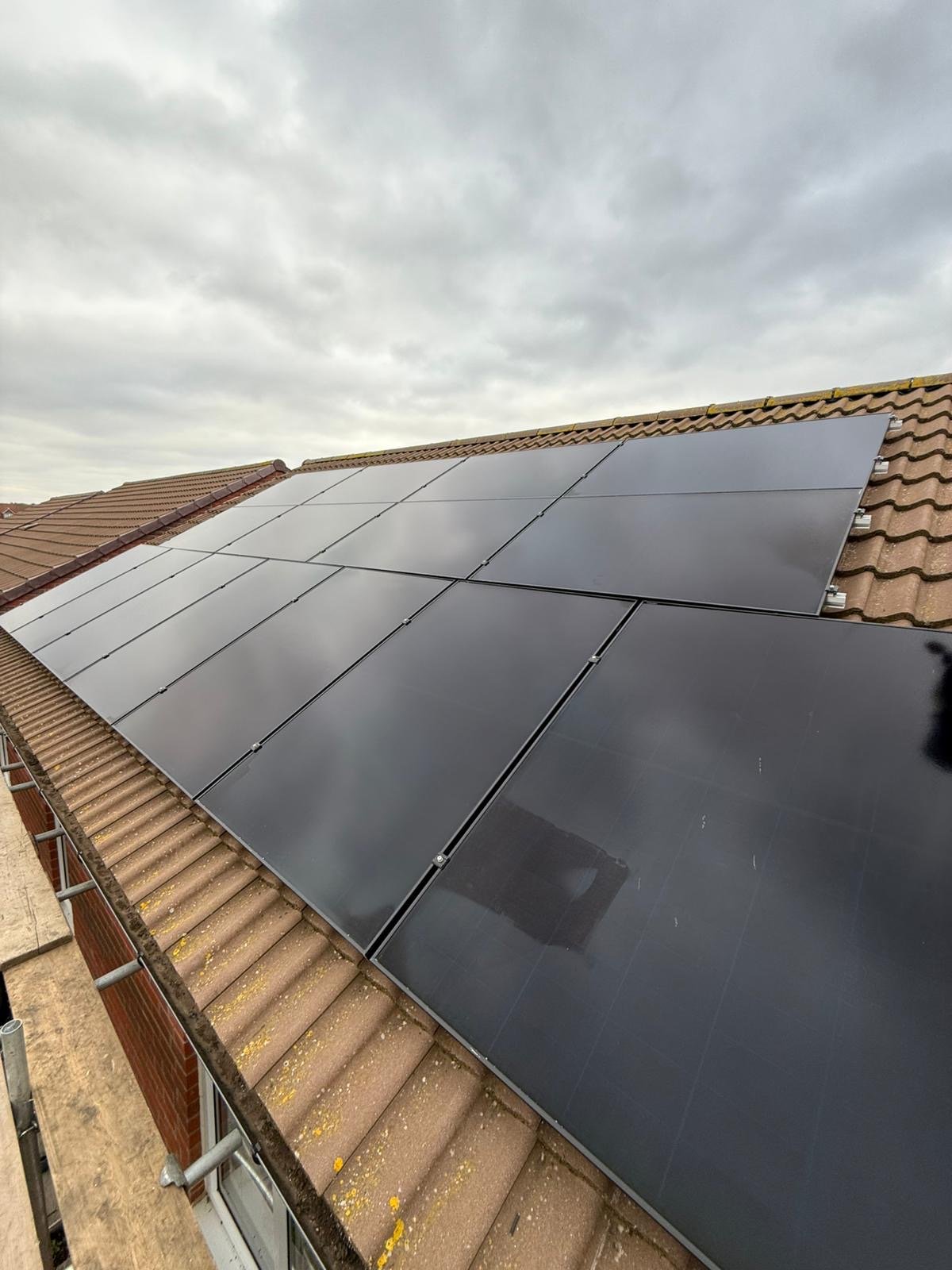
1. A suitability review before any system is recommended
The first service should not be a product demonstration. It should be a meaningful review of your home, electricity use and objectives.
Expect questions about annual consumption, when you use electricity, whether anyone works from home, and whether you expect to add an electric vehicle or other significant load. The adviser should also understand whether your priority is lower bills, greater self-sufficiency, making better use of an off-peak tariff or another practical outcome.
An initial desktop assessment can help establish whether solar is worth exploring. It is not a guarantee of suitability and should not replace the technical checks required before installation. A responsible process can conclude that more information is needed, the property presents limitations, or solar does not currently appear suitable.
2. A proper property and technical survey
Before the final design is agreed, the installer should examine the property in enough detail to confirm that the proposed system can be installed safely and sensibly.
The survey should consider roof type and condition, orientation, pitch, shading, fixing areas, access, scaffolding and cable routes. Inside the home, it should consider the consumer unit, metering, earthing and bonding, suitable equipment locations, ventilation and the electrical connection route.
The installer should also ask for your Meter Point Administration Number, or MPAN. This is the unique reference for your electricity supply point – not the serial number printed on the meter – and its 13-digit core is normally shown on an electricity bill. The MPAN helps the installer and Distribution Network Operator identify the correct grid connection for the application or notification.
Where structural capacity, roof condition, asbestos, planning constraints, conservation requirements or unusual access create uncertainty, the installer should explain what further survey, permission or specialist advice is required. The outcome and any remaining assumptions should be recorded.
3. A design based on the home – not a standard package
A complete proposal should show the number and rating of panels, estimated system capacity, inverter choice, battery capacity where relevant, and the proposed position of the main equipment.
The installer should be able to explain why the system has been sized that way. More panels or a larger battery are not automatically better. Their value depends on likely generation, household demand, direct use, storage, export and future plans.
If you are still comparing differently sized systems, return to the quotation principles in How to Buy Solar with Confidence rather than choosing by equipment count alone. Any later design change caused by the survey, network response or product availability should be explained and agreed in writing.
4. Transparent generation, savings and payback assumptions
The installer should provide a written generation estimate and explain the assumptions behind any savings or payback illustration. These figures help you make a decision; they are not guaranteed outcomes.
The calculation should consider orientation, pitch, shading and system losses. The financial illustration should distinguish electricity used in the home from electricity exported, and state the assumed import price, export tariff and battery behaviour.
Be cautious if every generated unit is valued as though it replaces electricity bought at the full retail rate. A useful proposal lets you understand and challenge the assumptions, and may show alternative scenarios when future prices or consumption could materially change the result.
5. A fully itemised quotation with no hidden gaps
The quotation should describe the full service, not only the hardware. It should identify the panels, inverter, battery where applicable, mounting equipment, scaffolding, electrical work, monitoring, commissioning, certification and handover documents.
It should state clearly whether scaffolding and access, bird protection, roof work, consumer-unit alterations, trenching, planning applications, structural advice or non-standard access are included, excluded or provisional. Payment stages, VAT treatment, cancellation rights and the process for approving additional work should also be clear.
This is where installer verification and service scope meet. Use How to Choose a Solar Installer You Can Trust to confirm the business, then use this article to confirm what that business is actually promising to deliver.
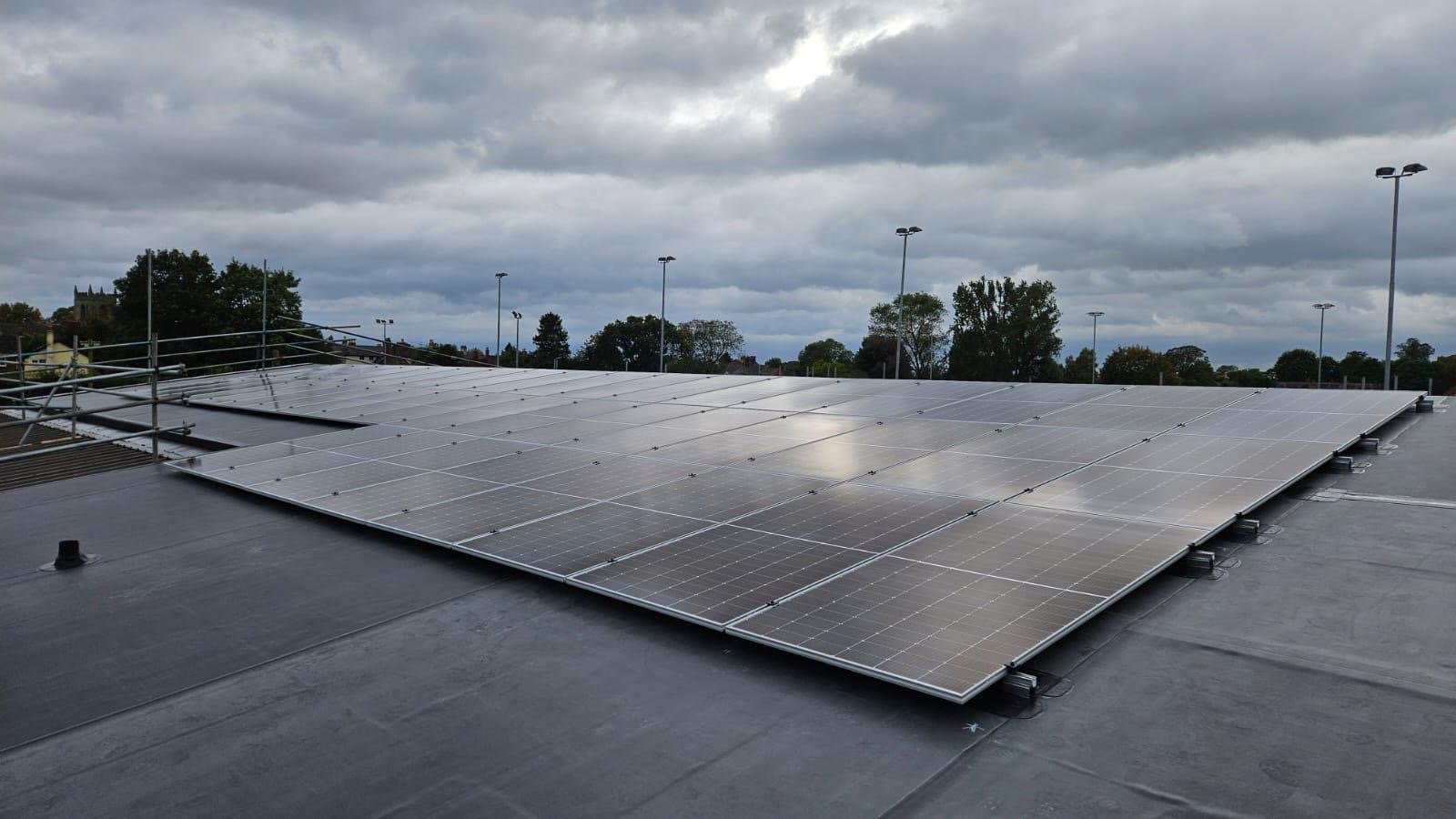 Scaffolding, access and possible additional works should be identified clearly in the quotation.
Check the complete quotation.
The equipment list is only one part of the job. Access, scaffolding, electrical work, permissions and documentation should all be accounted for.
Compare the complete evidence
Take the 18 evidence checks with you when you review a solar proposal.
6. Network applications and permissions managed clearly
A domestic solar installation normally requires notification to or permission from the local Distribution Network Operator. Ask whether your proposed connection will follow G98, G99 or require a G100-compliant export-limitation scheme, why that route applies, and where every DNO-related cost is shown in the quotation.
G98 is generally the connect-and-notify route for qualifying small-scale, type-tested equipment, so prior approval is not normally required in the same way. G99 covers connections that fall outside the G98 route and generally requires the DNO application and written acceptance before the system is connected or energised. G100 concerns equipment used to limit export and may form part of the connection arrangement; it is not simply a third type of application.
Ask the installer for the expected DNO timescale, the current status and a copy of the relevant acceptance or connection correspondence. The DNO may approve, impose conditions, restrict export capacity or refuse a proposed G99 connection or export-limitation arrangement. Where prior permission is required, the installation programme must respect that hold point: the system should not be connected or energised before written acceptance is received.
Do not assume that panels physically being fitted proves that grid connection or export has been authorised. You should not export contrary to the DNO’s requirements, and you should not expect payment under an export tariff until the network process is complete and your supplier has accepted the required evidence.
The service should also identify potential planning issues. Many domestic installations may fall within permitted development rules, but listed buildings, conservation areas and unusual mounting arrangements need closer attention. Responsibility for checking and progressing these matters should never be left vague.
7. Safe installation by competent, accountable teams
Ask who will complete the roof work, who will carry out the electrical work, who supervises quality and whether any part of the installation is subcontracted.
Subcontracting is not automatically a problem. The important questions are whether each contractor is competent, insured, briefed and managed, and whether one organisation remains accountable to you.
Confirm who is paying for the scaffolding, whether its cost is included in the quotation, when it is expected to arrive and when it will be removed. This manages expectations around access, disruption and how long poles may remain at the sides of your home. If removal depends on inspection or corrective work, the installer should explain that in advance.
A professional team should plan access and isolation, protect the property, communicate disruption and leave the roof weatherproof and the installation orderly. If the agreed design must change, you should be consulted before a different layout or equipment position is adopted.
Clarify who owns each stage.
Competence matters, but so does knowing who remains accountable when employees, subcontractors and specialist trades are involved.
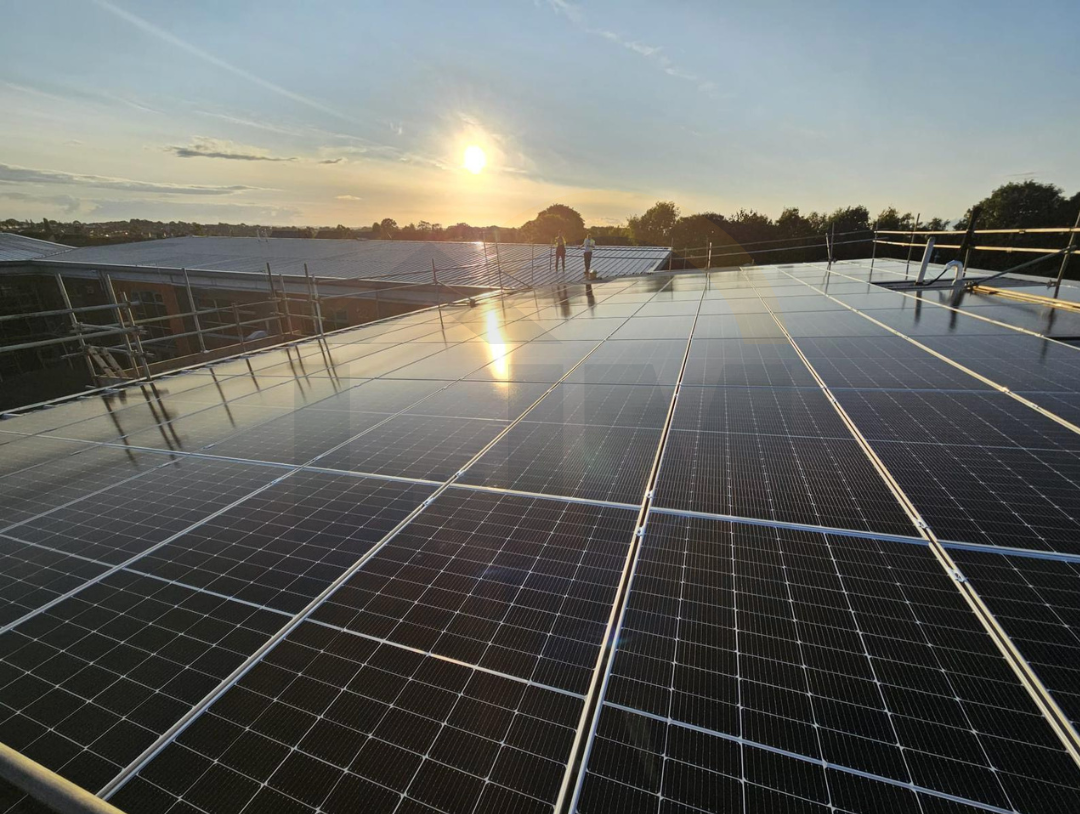 One accountable provider should coordinate the people, access and quality checks involved in the installation.
8. Testing, commissioning and recorded quality control
Installation is not complete when the final panel is fixed. The system should be inspected, tested and commissioned so that the installer can demonstrate that it operates as intended.
Checks should cover electrical protection, isolation, labelling, cable management, mounting, weatherproofing, system settings, monitoring communication and consistency with the approved design. Photographs can provide useful evidence of roof-level or concealed work.
Any incomplete item should be recorded, assigned to a named owner and closed within an agreed plan. A right-first-time culture matters, but so does a transparent process for correcting anything that is not right.
9. A complete handover and the documents you will need later
Handover should be a planned part of the service. You should be shown how to operate the system, understand the monitoring platform, recognise normal behaviour and report an alert or fault.
The handover pack should contain the relevant electrical certificates, commissioning records, MCS certificate, system design, product details, manuals, guarantees, workmanship warranty information, applicable insurance-backed protection and DNO correspondence.
The final handover pack is often completed after installation because the MCS certificate and insurance-backed guarantee may not yet be available. Depending on the system and the parties involved, this can take days or several weeks. The installer should give you an expected issue date, provide any available interim documents and remain responsible for closing the pack.
MCS certification and evidence that the relevant DNO process has been completed are normally needed when applying for a Smart Export Guarantee tariff. Until the supplier has accepted the required documents, do not assume you will be paid for surplus electricity sent to the grid.
Keep these records safely. They may be needed for an export-tariff application, warranty claim, maintenance, future alterations or a house sale.
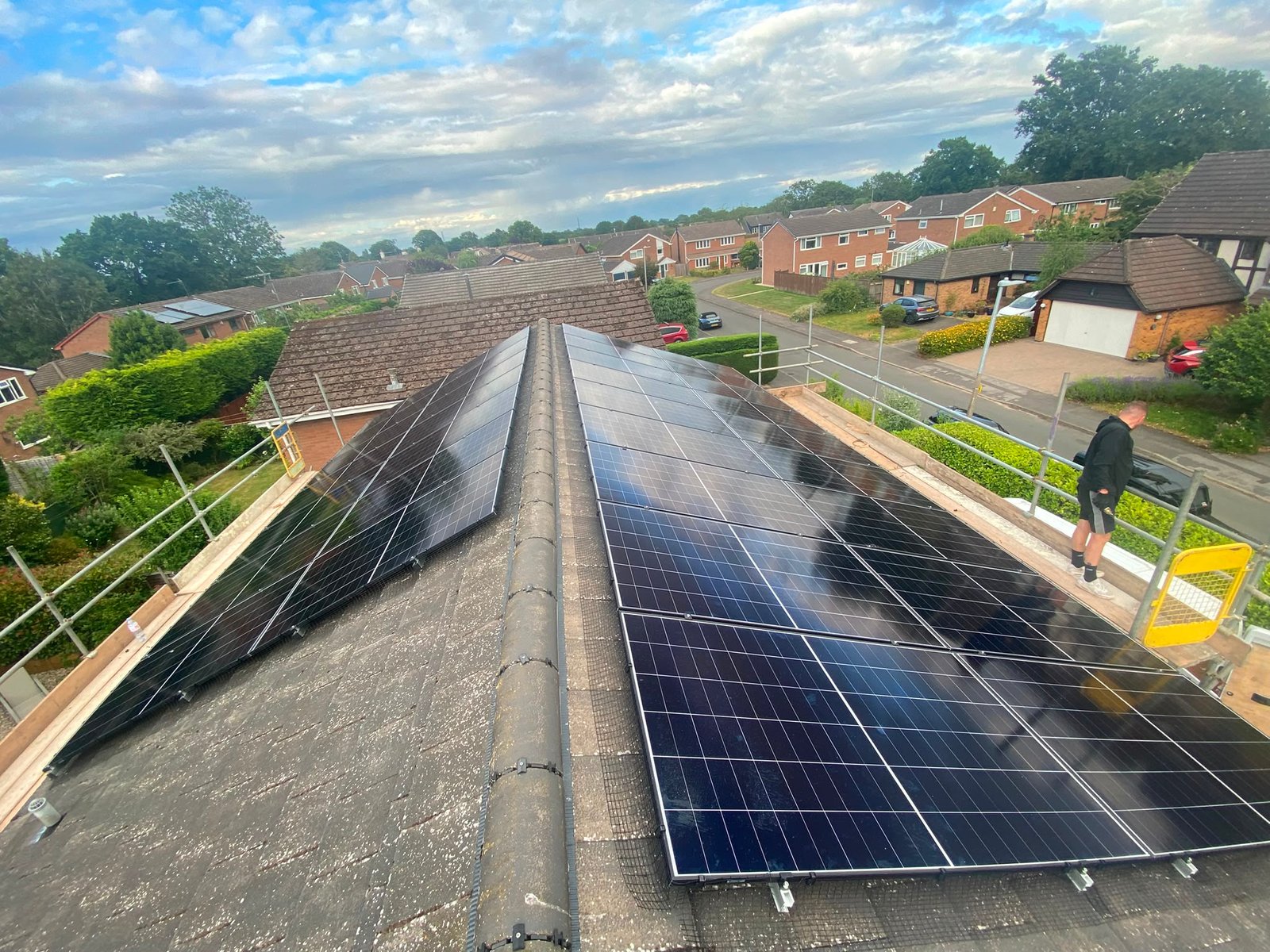 Certification, DNO correspondence, warranties and operating information all belong in the completed customer record.
Plan for the final evidence.
Some documents follow installation. Ask what will be available immediately, what will follow and who is responsible for completing the pack.
10. Monitoring support and practical customer education
An installer should offer more than downloading an app and leaving you to interpret it. You should receive help connecting the system and understanding generation, household consumption, battery charging and export.
Where time-of-use tariffs or battery schedules are relevant, the installer can explain what the system can do and which questions to ask your energy supplier. It should not promise that one tariff or setting will remain best indefinitely.
Monitoring should also support aftercare. If the system stops reporting or its behaviour changes materially, there should be a clear route for help and a process for deciding whether remote support or a visit is needed.
11. Warranties, payment protection and meaningful aftercare
A solar system combines manufacturer products with the installer’s workmanship. The proposal should distinguish panel performance warranties, product warranties, inverter and battery warranties, and the workmanship warranty.
Ask who registers the products, what evidence you will receive, which exclusions apply and who will manage a manufacturer claim. A long warranty is only valuable when the claim route is practical and the responsible parties are clear.
Your contract should explain deposits, payment timing, cancellation rights and the protection that applies. Aftercare should include a named contact route, a complaints process and a sensible way to triage safety issues, operational faults, monitoring problems and general questions.
12. One accountable customer journey
The strongest complete service has one defining feature: someone takes responsibility for moving the customer from suitability through survey, design, installation, certification and aftercare.
You should know your main contact, the next step, the information still required and who can resolve a delay or concern. Good coordination prevents homeowners from having to chase separate designers, scaffolders, electricians, network paperwork and manufacturers.
Watt Solar Company helps homeowners make this decision through a managed, zero-pressure process. Suitable opportunities progress to known, approved MCS-certified installers, while Watt remains visible in the customer journey. No installation contract is signed during the initial home appointment.
What should make you pause?
Pause before proceeding if responsibility for design and installation is unclear, major services are missing from the quotation, or financial claims cannot be traced to stated assumptions. Other warning signs include equipment recommendations made before your needs are understood, vague answers about network approval, pressure to pay quickly, missing cancellation information and no workable aftercare process.
A glossy product brochure cannot compensate for an incomplete service. Ask for every material gap to be corrected in writing before making a decision.
What to ask your solar installer: the complete-service test
- Has the provider assessed whether solar is suitable for this home?
- What survey will be completed before the final design is approved?
- How has the system been sized around actual and future electricity use?
- Which assumptions support the generation and savings illustration?
- Exactly what is included, excluded and potentially chargeable?
- Who handles the DNO process and any planning considerations?
- Who will carry out and supervise the roof and electrical work?
- How will the installation be checked, tested and commissioned?
- Which certificates, warranties and manuals will be supplied?
- What happens if monitoring fails or the system develops a fault?
- Who remains accountable from the first appointment through to aftercare?
Your next step
You do not need to become a solar engineer to make a good decision. You need a process that makes suitability, scope, assumptions, responsibility and protection visible before you commit.
If an installer can answer these questions clearly and put the complete service in writing, you have evidence to support the decision. If the answers remain vague, pause. It is easier to resolve uncertainty before a contract than after work has started.
Take the next step with clarity
Find out whether solar appears worth exploring for your home before you compare installation proposals.
Continue the Solar Confidence series
Part 1: How to Buy Solar with Confidence
Part 2: How to Choose a Solar Installer You Can Trust
Part 3: What to Ask Your Solar Installer Before You Commit
About the author
Maddi brings 40 years of business experience and three years of specialist experience in solar-system compliance. Through Watt Solar Company, she helps homeowners decide whether solar is worth exploring and understand the evidence they should expect before proceeding—without pressure or confusing sales language.
Sources and further checks
Find our latest solar guidance more easily on Google.