
How to Choose a Solar Installer You Can Trust
Choose a solar installer with confidence by checking suitability, credentials, quotation evidence, consumer protection and aftercare before you commit.
The Watt Solar Company 72-Hour Solar Clarity Plan
Choose your solar installer with confidence.
Start with suitability
Before comparing installers or equipment, find out whether solar appears worth exploring for your home. Watt Solar Company’s free Two-Minute Solar Eligibility Check leads to one of three clear outcomes: proceed, provide more information, or pause.
The evidence to check before you say yes to solar
Written by Maddi | 40 years’ experience in business and three years’ experience in solar system compliance
Choosing solar is a long-term home decision. Panels may remain on your roof for decades, while the inverter, battery, monitoring platform, warranties and electrical installation all need to work together. Learning how to choose a solar installer is therefore just as important as comparing the equipment.
A dependable installer should make the decision easier to understand. They should ask about your home and electricity use before recommending equipment, explain the assumptions behind predicted generation and savings, provide a complete written quotation and give you time to decide.
They should also be willing to say when solar is not suitable, when more evidence is needed or when waiting would be the better choice.
This guide shows you what to check, what to ask and which warning signs should make you pause. It also explains how Watt Solar Company helps homeowners move from initial suitability to an approved MCS-certified installation partner through one managed, zero-pressure journey.
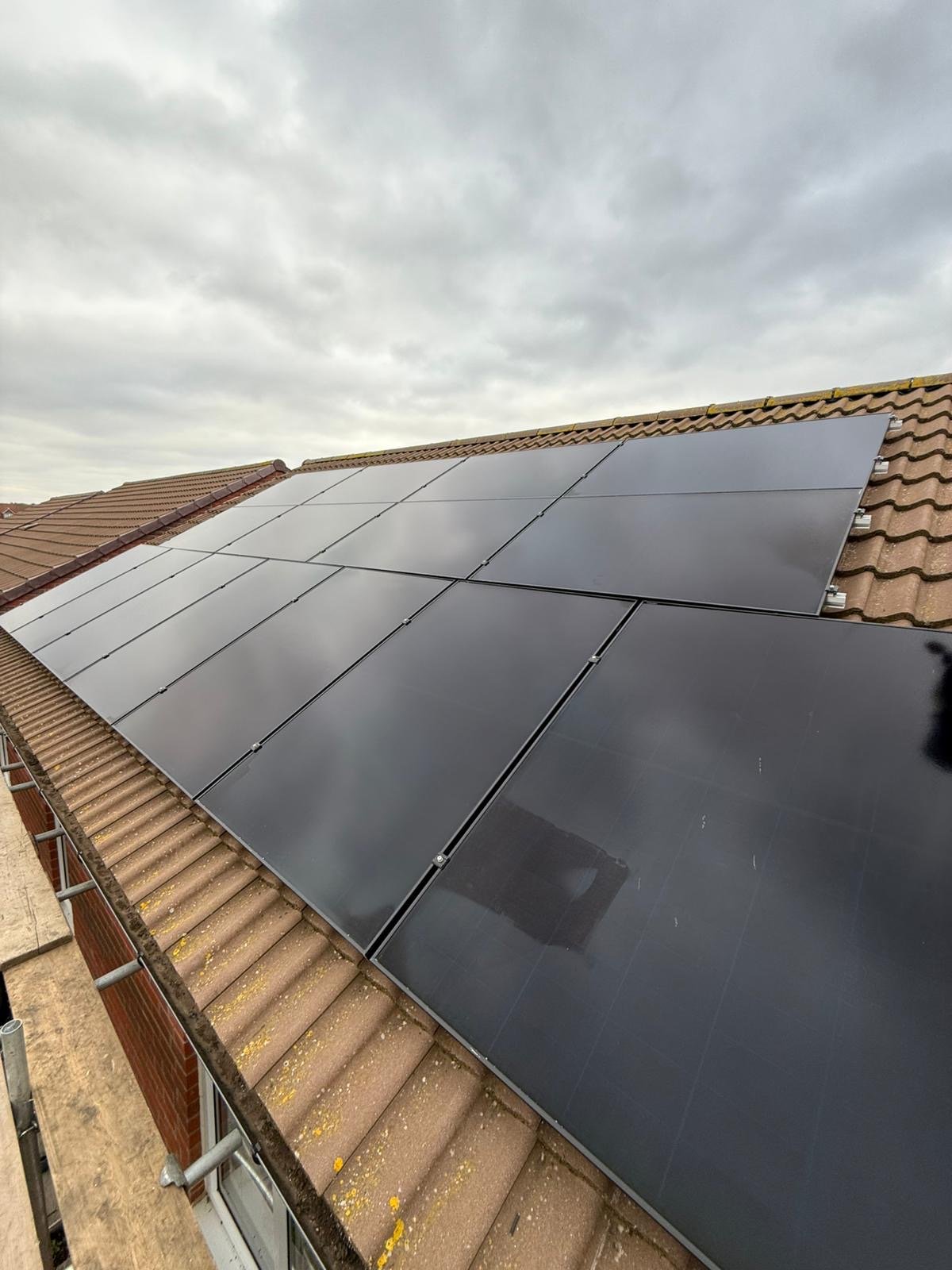
1. Start with your home, not a standard package
A professional solar conversation begins with your property, your energy use and what you want the system to achieve. Relevant information includes roof orientation and condition, shading, available roof space, annual electricity use, when electricity is consumed, existing electrical arrangements and future plans such as an electric vehicle or heat pump.
A home that is empty during the day may need a different design from one with home workers or high daytime demand. A household with heavy evening use may benefit from carefully sized battery storage, while another may achieve better value without a battery.
There is no universal “best” system because suitability depends on the evidence. Be cautious if a company recommends a package before reviewing recent electricity information or asking how your household uses energy.
An early price can only be indicative. A reliable proposal should follow a suitable assessment and explain which details remain subject to technical survey and final design.
Look beyond the panel brand.
Fixings, roof condition, safe access and installation workmanship all form part of a dependable proposal.
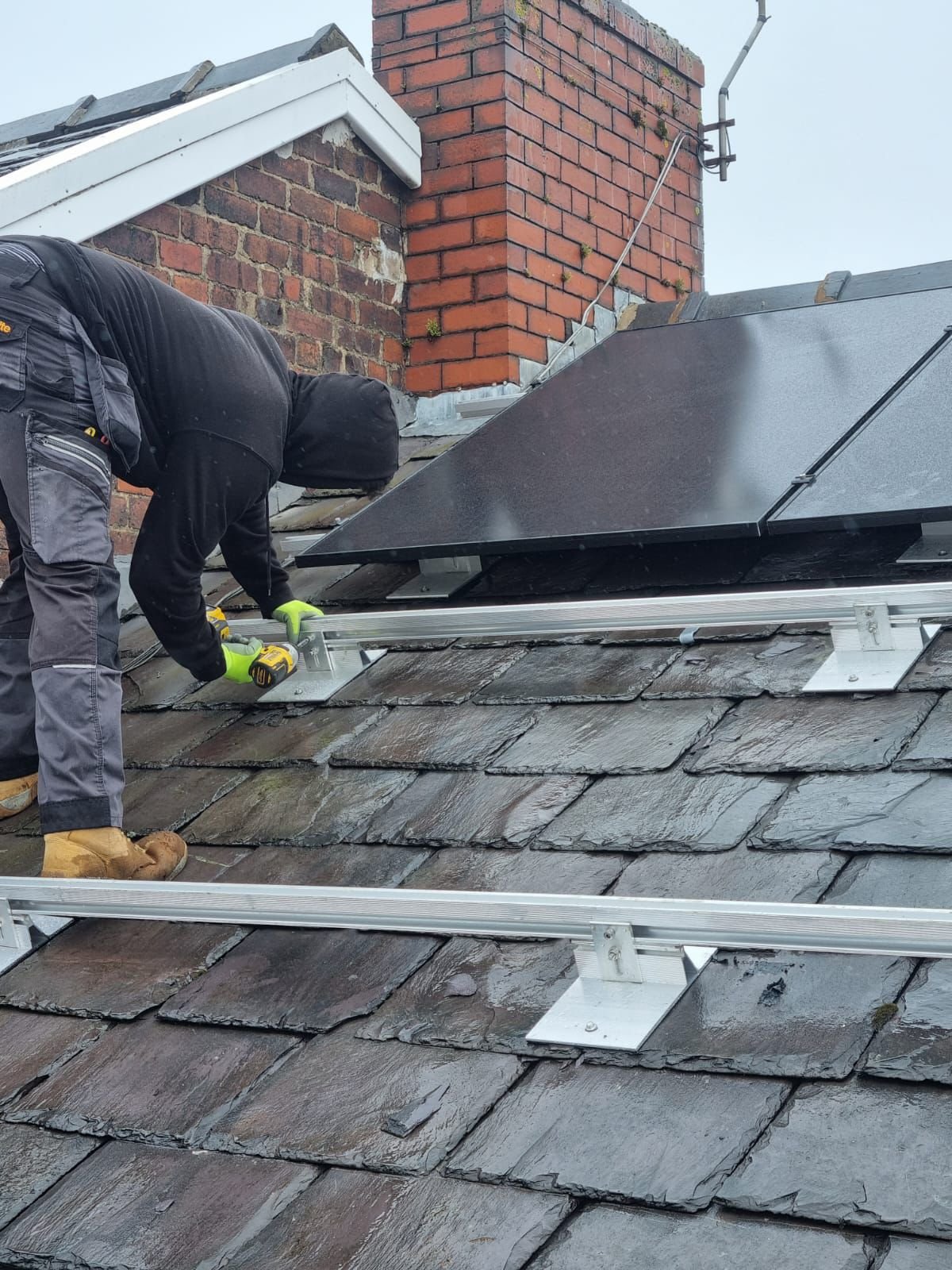
The survey should identify suitable fixing methods before the final design is agreed.
2. Verify who will hold the contract and do the work
Solar combines electrical work, roof work, network requirements, product warranties, consumer protection and long-term support. You need to know the legal name of the company that will hold the installation contract and remain responsible for delivery.
Check that the proposed installer is certified through the Microgeneration Certification Scheme for the relevant technology. Where battery storage is included, verify that the certification scope covers it.
Check consumer-code membership, such as the Renewable Energy Consumer Code, and confirm the company’s registered details, trading address and contact information independently.
Ask whether the survey and installation will be completed by employees or subcontractors. Subcontracting is not automatically a problem; unclear accountability is.
The contract holder should be able to identify who designs the system, who supervises the work, who issues the documentation and who owns a fault or complaint after installation.
Evidence worth checking
- MCS certification for solar PV and battery storage, where applicable.
- Appropriate electrical registration, such as NAPIT or NICEIC.
- Consumer-code membership and the protections that apply to your contract.
- The company’s legal name, registered details, address and contact routes.
- Workmanship warranty and any insurance-backed warranty arrangements.
- Deposit and advance-payment protection, including when it applies and any limits.
- Recent, comparable installations and a balanced selection of reviews.
3. Expect a property-specific survey and design
A good installer will not treat your roof as an empty rectangle. The assessment should consider roof construction and condition, orientation, pitch, shading, fixing areas, access, cable routes, inverter and battery locations, the consumer unit, metering and any limitations within the existing electrical installation.
The installer should explain why the proposed system has been sized as it has. More panels can generate more electricity, but greater output does not automatically create better value. The design should consider likely self-consumption, battery charging, export, network limits and realistic future demand.
Before work begins, you should receive a property-specific design showing the principal equipment locations and any significant works required.
If the survey changes the design, price or expected performance, that change should be explained and agreed before installation—not discovered once the team is on site.
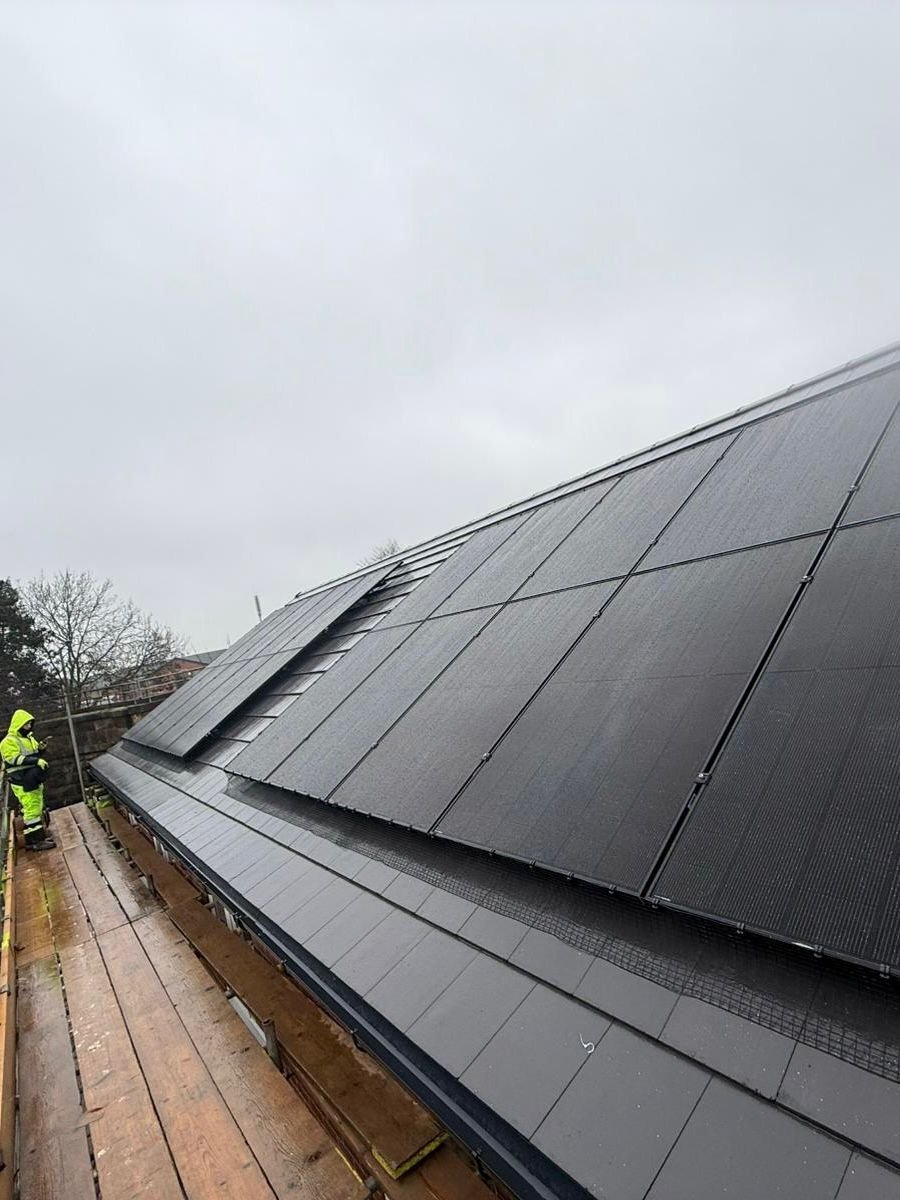
Small specification details should be clearly included or excluded in the written quotation.
Check the whole job—not only the headline price.
A complete quotation makes it easier to compare proposals and reduces the risk of unexpected extras.
4. Make sure the quotation includes the whole job
A headline price is not enough. A clear quotation should show what is included, what is excluded and which assumptions have been used. This is what allows you to compare value properly and reduces the risk of unexpected costs later.
Look for the panel, inverter and battery models; system capacity; mounting system; scaffolding and roof access; monitoring; electrical works; bird protection if included; network application responsibilities; commissioning; certification; handover documents; warranties; and VAT treatment.
Any possible extras—such as a consumer-unit upgrade, roof repairs, trenching, structural work or non-standard access—should be identified.
Do not compare total prices until you have checked whether the proposals are genuinely like for like. One may include scaffolding, protection devices, certification and aftercare that another has omitted.
A lower starting figure can become poor value if the design is unsuitable, essential works appear later as extras or support disappears after payment.
Questions every proposal should answer
- What exactly is being installed, and why is this equipment suitable for my home?
- What is the total installed price, and which circumstances could change it?
- What annual generation is estimated, and which assumptions were used?
- How much electricity is expected to be used in the home, stored and exported?
- Who handles the DNO application, commissioning, certification and handover?
- What happens if the technical survey changes the original design?
- Who is responsible if equipment, monitoring or workmanship develops a fault?
Review the evidence before you commit
Watt Solar Company’s free checklist covers 18 checks across certification, design evidence, predicted performance, pricing, payment protection, warranties and accountability.
5. Treat savings and payback as estimates, not promises
Most homeowners understandably want to know what solar could save. A responsible installer should provide a written performance estimate and explain how the financial illustration was calculated. It should not be presented as a guaranteed outcome.
Actual results depend on weather, shading, system performance, electricity prices, export tariffs, household consumption and how effectively the home uses energy while it is generated. Battery behaviour, tariff choice and future changes in demand can also affect the outcome.
Ask the installer to separate generation, self-consumption, storage, export income and avoided imported-electricity costs. The assumptions should be clear enough for you to challenge them.
Pause if a dramatic payback claim relies on perfect battery use, every generated unit being valued at the full import rate or electricity-price increases that cannot be known.
6. Make sure the explanation is clear enough to repeat
You do not need to become a solar engineer, but you should understand what you are buying. A trustworthy adviser should explain the difference between kW and kWh, how the inverter works, how much battery capacity is usable, what happens when the battery is full and whether the proposed system provides backup during a power cut.
Most standard grid-connected systems shut down during a power cut unless specific backup equipment and circuits have been designed and installed. Panel ratings are measured under test conditions, not a promise of constant output on your roof.
Clear limitations are a sign of competent advice, not a weakness in the proposal.
7. Keep control of the decision
You should not have to sign during the first home appointment. Warning signs include a high opening price followed by a sudden discount, a “today only” price, invented stock pressure, or reluctance to leave written information for you to consider.
Check the cancellation terms, deposit conditions and payment schedule before signing. Consumer protections depend on the contract and circumstances, so the installer should give you the applicable terms and cancellation information in writing.
Never rely on a verbal assurance where the written contract says something different.
A professional company will give you time to read the proposal, involve other decision-makers and ask follow-up questions. Watt Solar Company’s process is designed around this principle: clear advice first, an installation proposal only when solar appears suitable, and no contract signed during the initial home appointment.
8. Look beyond the salesperson to installation and aftercare
A smooth installation begins with planning. Before the agreed date, you should know who is attending, when access equipment will be erected, where the main equipment will go, whether power needs to be isolated and how long the work is expected to take.
On site, the team should identify themselves, protect your property, work safely, follow the agreed design and explain any necessary changes before making them. The roof should be left secure and weatherproof, and work areas should be left clean.
Sales friendliness cannot compensate for poor workmanship or weak supervision.
Accountability should continue after installation.
Before accepting a proposal, confirm who owns the workmanship, documentation, monitoring support and warranty route.
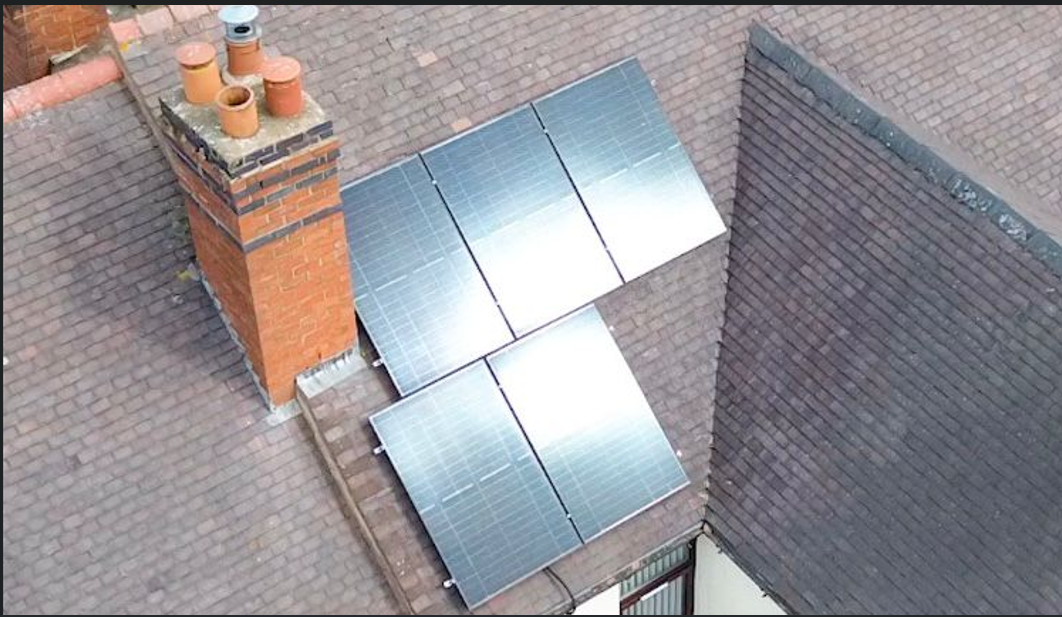
A proper handover includes certificates, warranties, system guidance and a named support route.
Aftercare is part of what you are buying. Before accepting the proposal, establish who responds if the monitoring app stops updating, a fault code appears or generation seems lower than expected.
Confirm product and workmanship warranties, the claims route, any insurance-backed protection and the company’s expected response process.
At handover, you should be shown how to use the system and receive the relevant manuals, certificates, warranties, commissioning information and MCS documentation. Keep these safely; they may be needed for export arrangements, warranties, maintenance or a future property sale.
9. Recognise the red flags
No single concern automatically proves that a company is unsuitable, but several warning signs together deserve attention. Pause if the company:
- will not provide an itemised written quotation;
- recommends a system without understanding your electricity use;
- promises guaranteed savings or a guaranteed payback period;
- cannot verify certification for the proposed technology;
- will not explain who is accountable for design, installation and aftercare;
- uses urgency or discounts as the main reason to sign;
- asks you to ignore wording in the contract or rely on verbal promises; or
- cannot explain how complaints, faults and warranty claims will be handled.
10. How to choose a solar installer without facing competing sales pressure
The right installer is not necessarily the largest, nearest or cheapest. It is the one that gives you the clearest evidence that the system is suitable, the assumptions are realistic, the price is complete and the company will remain accountable after installation.
Watt Solar Company reduces the burden on the homeowner by managing the journey from eligibility assessment through pre-survey, design, quotation, approved installer introduction, installation and handover.
Our installation partners must hold appropriate MCS certification and meet wider quality and customer-protection standards. We review genuine like-for-like quotations fairly through the Watt Solar Company Fair Price Promise, without charging the homeowner extra for using our service.
The purpose is not to push every enquiry towards an installation. If the evidence is incomplete, we ask only for what is needed. If solar does not currently appear suitable, the correct outcome is to pause.
If it does appear suitable, you have one clear route forward, time to make your decision and continued support through the next steps.
Your short takeaway
Choose the installer that helps you make a confident decision—not the one that pushes you towards the quickest signature. Look for property-specific advice, independently verified credentials, complete pricing, realistic estimates, written consumer protections and dependable aftercare.
Ready for a clear first step?
Complete the free eligibility check. Within 72 hours of receiving the information needed, Watt Solar Company will provide an initial recommendation: proceed, provide more information, or pause. There is no obligation, no pressure and no contract signed during the initial home appointment.
About the author
Maddi brings 40 years of business experience and three years of specialist experience in solar system compliance. Through Watt Solar Company, she helps homeowners decide whether solar is worth exploring and, where it is suitable, access a managed route to an approved MCS-certified installer—without pressure or confusing sales language.
Sources and further checks
- Microgeneration Certification Scheme (MCS): verify installer certification for the relevant technology.
- Renewable Energy Consumer Code (RECC): check membership and read current consumer guidance and protections.
- Energy Saving Trust: independent information about solar panels and home energy.
- Watt Solar Company Resources: homeowner guidance and free decision tools.
Find our latest solar guidance more easily on Google.