
How to Buy Solar with Confidence
Buy solar with confidence by understanding suitability, quotations, installers, batteries and the Watt Solar Company 72-Hour Solar Clarity Plan.
The Watt Solar Company 72-Hour Solar Clarity Plan
Don’t just buy solar. Buy solar with confidence.
Comparing solar proposals? Take the 18 evidence checks with you.
Solar panels can help homeowners generate their own electricity, reduce the amount of energy they need to buy from the grid and take greater control of how their home uses energy.
That sounds simple. Buying solar often isn’t.
Search online and you will find hundreds of different panels, batteries, inverters, installers, savings calculations and promises. Ask three solar companies for a quote and you may receive three completely different recommendations — all apparently designed for the same house.
One installer might recommend eight panels. Another recommends twelve. One says you definitely need a battery. Another says you don’t. One quotation includes scaffolding, electrical works and DNO administration. Another has a cheaper headline price but leaves you wondering what might be added later.
Then come the bigger questions. How do you know whether solar is actually right for your home? How do you know whether the system being recommended is the right size? Can you trust the savings figures? How do you compare two solar quotations properly? And how do you know whether the installer will still be there if you need help after the system has been fitted?
These questions are exactly why we created the Watt Solar Company 72-Hour Solar Clarity Plan.
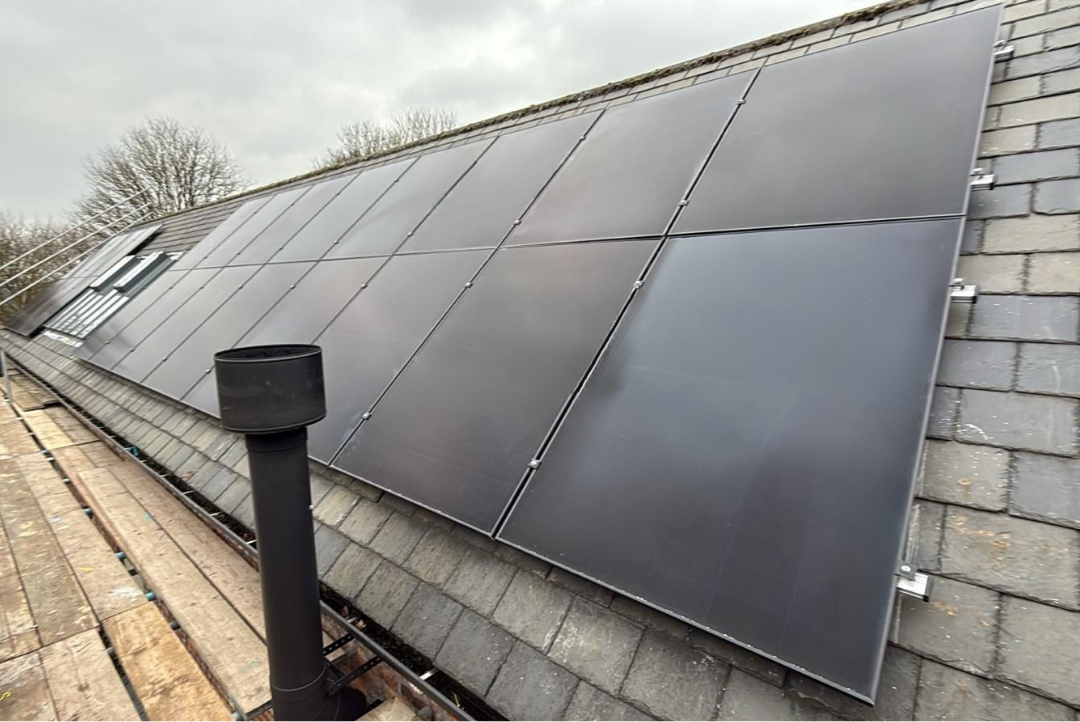
Free two-minute check. No obligation and no pressure.
Solar should start with your home — not with a package somebody wants to sell
There is no single “best solar system” for every homeowner.
The right system depends on your property, roof, electricity consumption, lifestyle, future plans and what you actually want solar to achieve.
Someone who is at home throughout the day may use solar electricity very differently from a household where everybody leaves for work at 8am and returns at 6pm.
A homeowner planning to buy an electric vehicle may have very different future electricity requirements from somebody whose consumption is unlikely to change.
A battery may make excellent sense for one household but offer much less value to another.
That is why the first stage of the Watt Solar Company 72-Hour Solar Clarity Plan is not selling panels.
It is understanding the customer.
Before recommending a system, we want to understand things such as:
- your property and available roof space;
- how much electricity you currently use;
- when you use it;
- whether you have plans for an electric vehicle or heat pump;
- whether battery storage could be useful;
- your priorities for reducing electricity purchases, energy independence or sustainability; and
- your budget.
Only then should somebody begin discussing the system itself.
Step one: find out whether your home is worth assessing
The Watt Solar Company journey starts with our free Two-Minute Solar Eligibility Check.
It gives us enough basic information to decide whether your property appears worth exploring further.
This is deliberately different from treating every person who expresses an interest in solar as somebody who immediately needs a sales appointment.
Once we have sufficient information, there should be three perfectly acceptable outcomes:
1. Solar appears suitable
Your home looks worth assessing in more detail.
2. We need more information
Something needs to be checked before a sensible recommendation can be made.
3. Solar may not currently be right for your property
And if that is what the information suggests, we will tell you.
That third answer matters.
A trustworthy solar company should be prepared to tell somebody not to buy solar when it does not appear to be the right solution.
Receive a clear initial recommendation once we have the information needed.
The Watt Solar Company 72-Hour Solar Clarity Plan
Once we have the information needed, we aim to provide a clear initial view within 72 hours on whether your home appears worth exploring further.
This is the first stage of the 72-Hour Solar Clarity Plan. The objective is not to convince you to buy. It is to remove some of the uncertainty before you move further into the process.
If your property appears suitable, the next stage may be a personal home appointment and a more detailed assessment.
If something needs investigating first, we will explain what that is.
And if we cannot provide a sensible initial recommendation, we do not believe your details should simply be pushed into a sales process.
A home visit without the pressure to sign
One of the biggest reasons homeowners hesitate before arranging a solar appointment is simple: They do not want somebody sitting in their home trying to persuade them to sign a contract. We understand that.
The purpose of a Watt Solar Company home appointment is to understand your property and requirements properly.
It is an opportunity to discuss your electricity use, your roof, possible equipment locations, battery storage, future energy requirements and the questions you already have.
It is not intended to be a doorstep-closing exercise.
Take the proposal away. Read it. Discuss it. Check the equipment. Compare it with another quotation if you want to. Ask us questions. A well-designed solar system should survive proper scrutiny.
Clear information matters.
Each stage should add evidence and understanding, helping you make a considered decision without pressure.
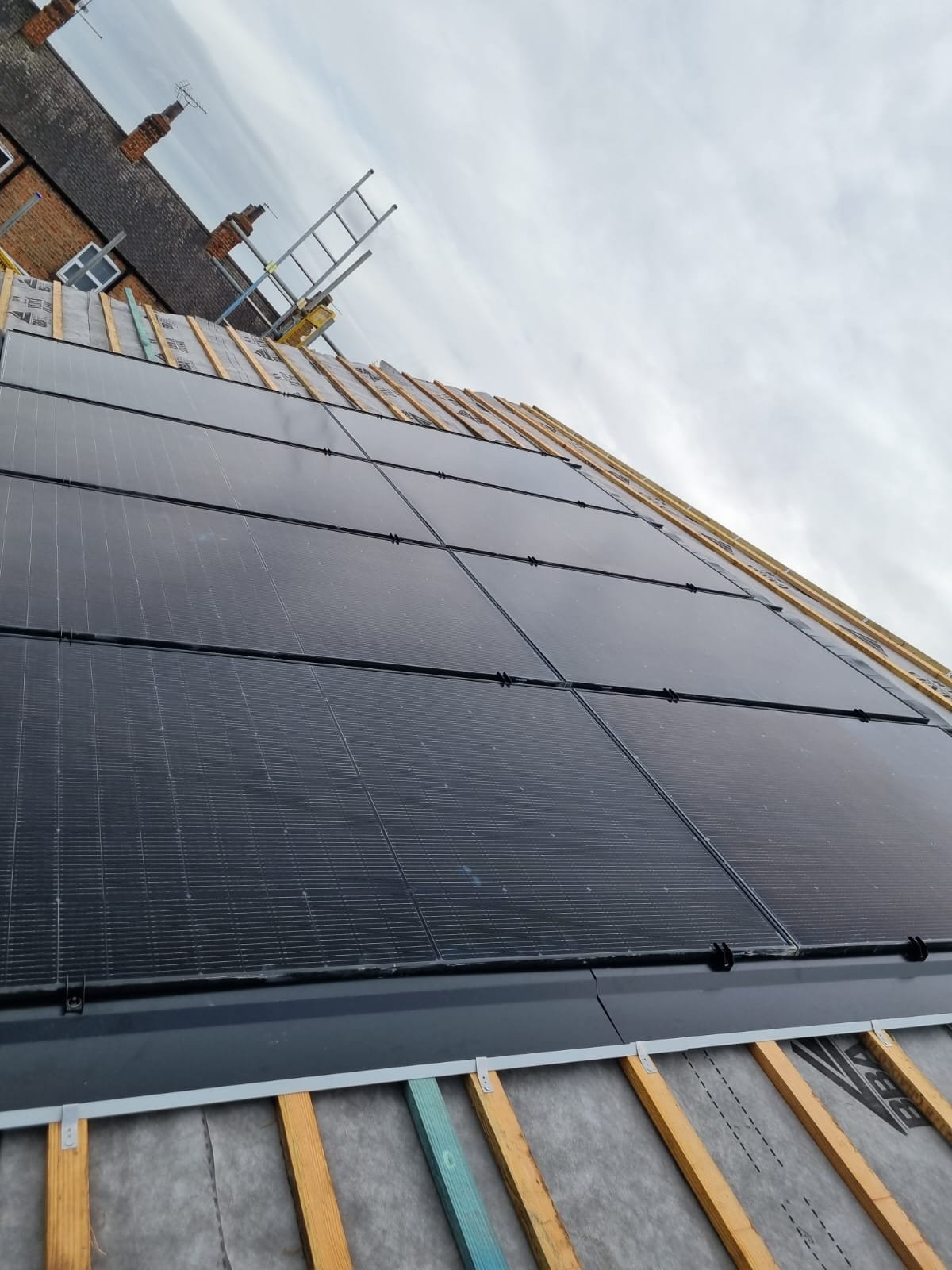
A proper assessment replaces assumptions with real information about the roof, access and electrical position.
How do you know what size solar system you need?
This is one of the most important questions a homeowner can ask. And the answer should never simply be: “Fit as many panels as possible.” More equipment is not automatically better.
The proposed number of solar panels, inverter size and battery capacity should have a reason behind them.
That reason may involve your:
- annual electricity consumption;
- daytime energy use;
- roof space;
- roof orientation;
- shading;
- future consumption;
- EV plans;
- battery requirements; and
- budget.
The plan includes an Only What You Need Promise.
We will not knowingly recommend equipment simply because adding more equipment increases the value of the sale.
- No oversized battery without a credible reason.
- No unnecessary panels.
- No unsuitable roof presented as suitable.
- No exaggerated figures designed simply to make a proposal look more attractive.
Can solar panels really reduce your electricity bill?
Solar panels generate electricity that your home can use. Every unit of solar electricity you use directly is potentially a unit you do not need to purchase from your electricity supplier. But the exact effect on your electricity bill depends on far more than the number of panels on your roof.
It can depend on:
- how much electricity the system generates;
- when it generates it;
- when your household uses electricity;
- how much solar electricity you consume directly;
- how much is exported;
- whether you have battery storage;
- your electricity tariff;
- your export tariff; and
- how your energy use changes over time.
This is why we do not believe homeowners should simply be shown a giant savings figure. Your proposal should explain the assumptions behind expected generation and indicative bill impact. Savings and payback illustrations are estimates. Weather, tariffs and household behaviour can all affect the eventual result. Transparency is far more valuable than an impressive-looking promise.
Do you need a solar battery?
Sometimes. Not always. Battery storage can allow you to store electricity generated during the day and use it later when your panels are producing less.
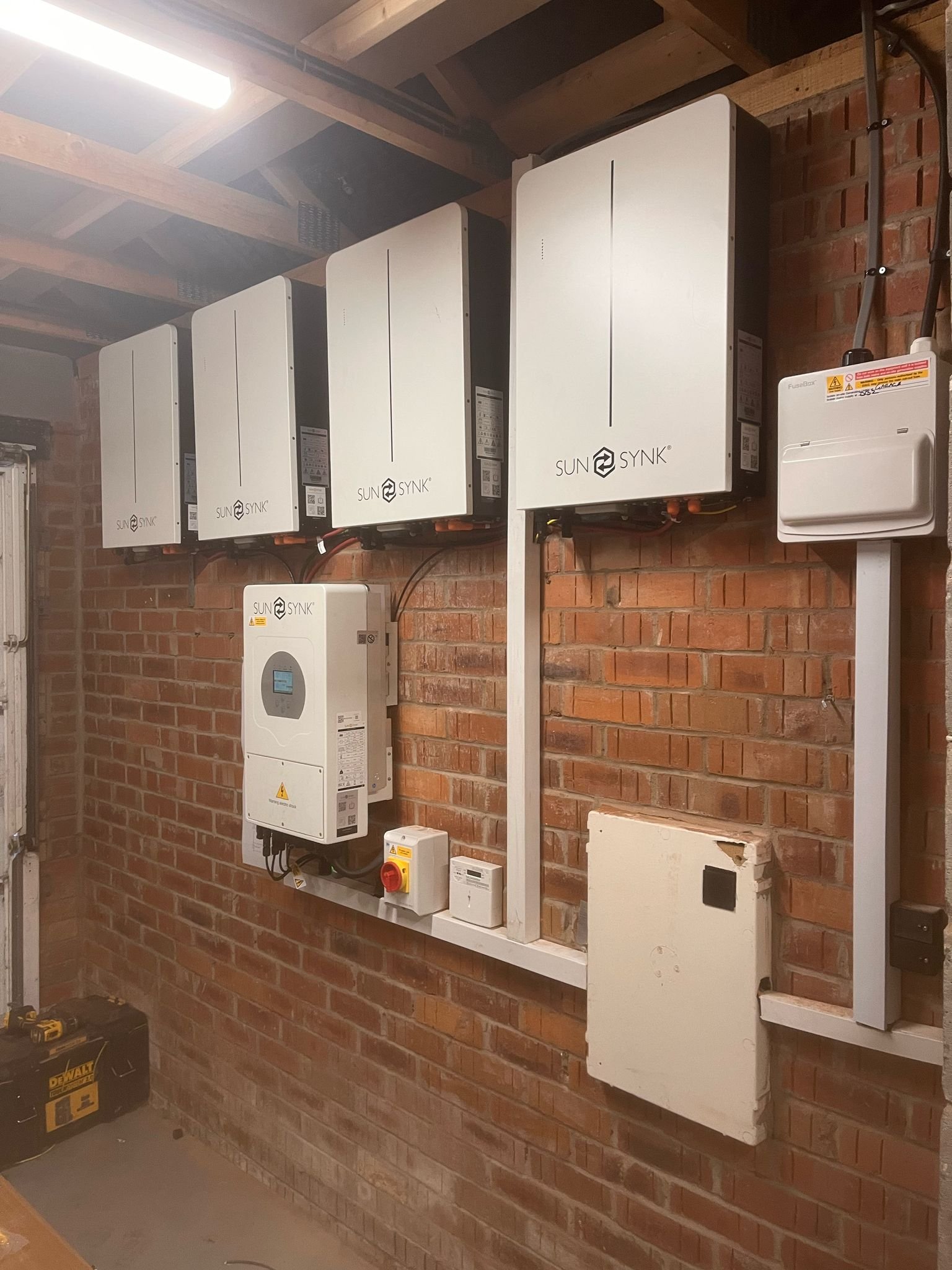
Battery capacity should be matched to household use, tariffs and the purpose it needs to serve.
Clear information matters.
Each stage should add evidence and understanding, helping you make a considered decision without pressure.
For households that export significant amounts of daytime generation and buy electricity back from the grid later, that can be attractive. But battery storage should still have a purpose. Before recommending one, it is sensible to consider your electricity consumption, when you use power, likely solar generation, tariffs, future energy plans and what you want the battery to achieve. And receive a meaningful answer. “Bigger is better” is not one.
Tell us how your household uses electricity and what you want the system to achieve.
Choosing an MCS-certified solar installer
The quality of a solar installation is about far more than the panel brand.
The company designing, installing, commissioning and supporting the system matters enormously. Watt Solar Company works with known and approved MCS-certified installers suitable for the work being proposed.
Watt Solar Company reviews installer accreditations before an installer enters our preferred network. Every proposed installer must hold the appropriate MCS certification and follow the MCS Customer Commitment, alongside the required electrical registration. Our preferred installers also hold all or most of the wider credentials relevant to their work, which may include TrustMark, RECC, QualityMark, Which? Trusted Trader, CHAS and Constructionline. The precise credentials held by the installer proposed for your home will be confirmed rather than assumed.
But credentials should never just be a row of logos.
You should understand:
- which legal company is installing the system;
- who is responsible for the electrical work;
- who deals with certification;
- who handles DNO requirements;
- who manages faults; and
- who you contact after installation.
Accountability matters.
What should actually be included in a solar quote?
This is where comparing quotations becomes interesting. Two quotes can appear to offer the same solar system while containing very different scopes. A comprehensive quotation may need to consider:
- solar panels;
- inverter;
- mounting system;
- battery storage where applicable;
- scaffolding and access;
- electrical works;
- monitoring;
- DNO administration;
- optional additions, where selected;
- installation;
- testing;
- commissioning;
- MCS certification;
- electrical certification;
- warranties;
- insurance-backed protection;
- handover documentation; and
- aftercare.
The cheaper quotation is not necessarily worse. The more expensive quotation is not automatically better. But you cannot make a sensible comparison until you understand what each price actually contains.
DNO applications: who is responsible?
Your local Distribution Network Operator — usually referred to as the DNO — is responsible for the electricity network in your area.
Depending on the solar system being installed, appropriate notification or approval procedures may be required.
Under the Watt Solar Company 72-Hour Solar Clarity Plan, standard DNO administration required for the proposed system is managed within the installation scope.
Where an exceptional network issue could create an additional cost, that should be identified and explained rather than appearing unexpectedly later.
It is a small detail until nobody has dealt with it. Then it becomes a very important one.
What happens after the solar panels are fitted?
A proper solar installation does not end when somebody switches the inverter on and drives away. You should understand the system you now own. A suitable handover pack may include:
- system design information;
- product information;
- electrical certification;
- MCS documentation;
- DNO correspondence;
- product warranties;
- workmanship guarantees;
- commissioning information;
- monitoring instructions;
- user guidance;
- emergency and isolation information;
- installer contact details; and
- maintenance guidance.
You should also know who to contact if something does not appear to be working correctly. That is part of the installation. Not an optional extra.
Clear information matters.
Each stage should add evidence and understanding, helping you make a considered decision without pressure.
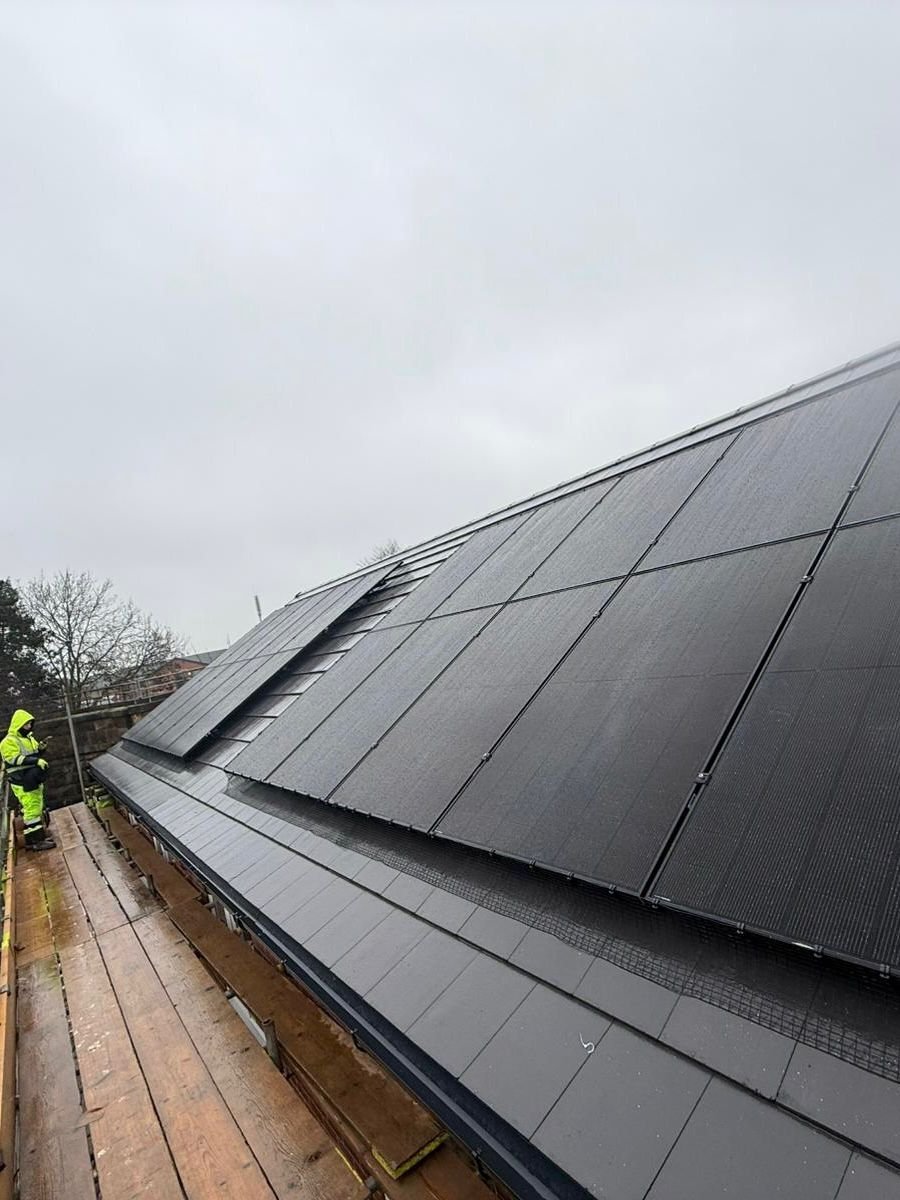
A complete installation includes clear documentation, system guidance and a named route for support.
What protection should you expect with solar?
Different parts of a solar installation may have different warranties and guarantees. Panels, inverters and batteries can each have manufacturer terms. There may also be workmanship protection and, where applicable, insurance-backed guarantees. The important principle is this:
A 20-year promise is not very useful if nobody can explain who is standing behind it.
Should you get more than one solar quote?
Absolutely, if that helps you feel confident. We actively encourage homeowners to compare solar quotations properly. We do not promise to be the cheapest provider. There will always be somebody willing to reduce a specification, omit part of the scope or use cheaper equipment to produce a lower headline figure. That does not necessarily make that quotation wrong. But it does mean you need to compare like with like.
If you receive a genuine written quotation for a materially equivalent system and installation, our approved installer will review it with you.
Where the proposals are genuinely like for like, the installer will match the price or improve the overall value. If they are not equivalent, the material differences will be explained clearly so you can compare the complete offer rather than the headline figure.
The specification, installation scope or customer protection will not be quietly reduced simply to produce a lower number.
Begin with suitability and transparent assumptions — not a sales pitch.
FREE DOWNLOAD: The Solar Proposal Checklist
This is why we have created our free homeowner guide:
The Solar Proposal Checklist: 18 Checks Before You Commit
You can use it with any solar quotation, not just ours.
The checklist helps you look beyond the headline price and ask whether you have received clear written information about areas including:
- property suitability;
- installer credentials;
- technical survey;
- system sizing;
- generation assumptions;
- realistic bill-impact estimates;
- equipment specification;
- DNO responsibilities;
- installation arrangements;
- payment and cancellation terms;
- commissioning;
- warranties;
- handover;
- aftercare; and
- ongoing accountability.
Download it and save it. Keep it beside your quotations. Use the 18 evidence checks and tick each box only when the point has been properly addressed and confirmed in writing. Because a confident decision is better than a rushed one.
PDF checklist • 3 pages • interactive tick boxes
So, is solar right for your home?
It might be. For many homeowners, generating their own electricity can be an attractive way to reduce reliance on grid electricity and take greater control of household energy. But solar should not be bought because somebody produced an impressive savings number or offered a discount that expires tonight.
It should be bought because you understand:
- why the system suits your home;
- why that equipment has been recommended;
- what the system is expected to do;
- how those expectations were calculated;
- what is included in the price;
- who will install it;
- what protection you receive; and
- who remains accountable afterwards.
That is what confidence looks like. And that is what the Watt Solar Company 72-Hour Solar Clarity Plan is designed to deliver.
Don’t just buy solar. Buy solar with confidence.
You do not need to decide today whether you want solar panels. Your first decision is much smaller. Is your home worth assessing? Start with our free Two-Minute Solar Eligibility Check. If solar appears worth exploring, we will help you understand the next step. If we need more information, we will tell you. And if solar does not appear right for your property, we will tell you that too.
Your first step: find out whether your home is worth assessing
Clear advice first. An installation proposal only when solar appears suitable.
Find our latest solar guidance more easily on Google.